
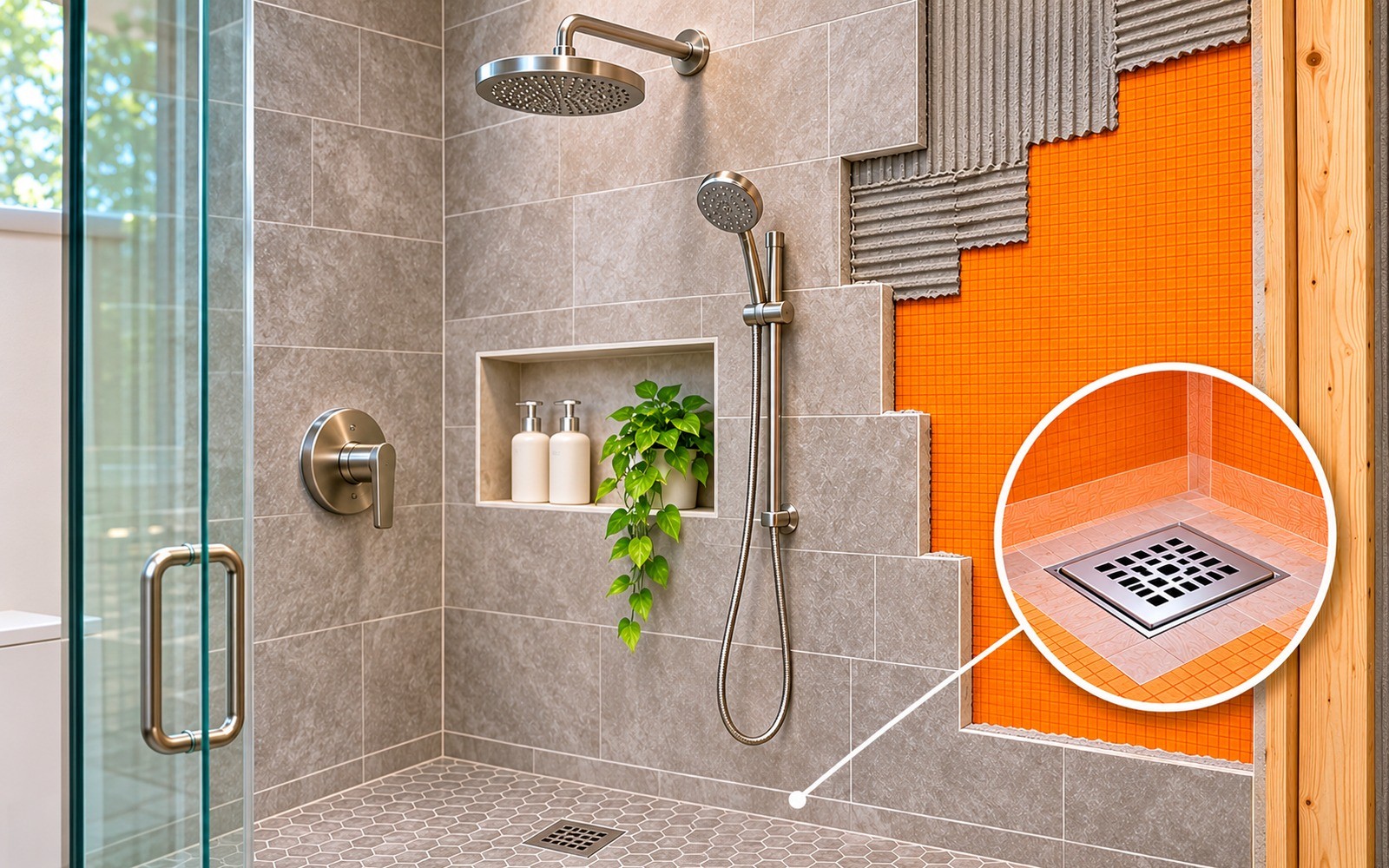
Tile is the wear surface of a shower, not the waterproofing. Porcelain is close to impervious on its own — ANSI A137.1 draws the line at 0.5 percent water absorption — but a tiled shower is a hundred feet and more of grout joint, and grout is a cement product that takes on water by design. So a shower is built as two assemblies stacked on each other: a surface that gets wet and sheds most of it, and a waterproof layer underneath that catches the rest and walks it back to the drain. The second one is finished, tested and buried before anybody ever sees the bathroom, which is exactly why it is the one that gets hurried. Everything below is published practice — the bonded waterproof membranes of ANSI A118.10, the crack isolation membranes of ANSI A118.12, the installation requirements of ANSI A108.02, and the shower lining and water test provisions in the Plumbing volume of the Florida Building Code. The section numbering moves between volumes and editions, so it gets checked against what the county has actually adopted rather than quoted from memory.
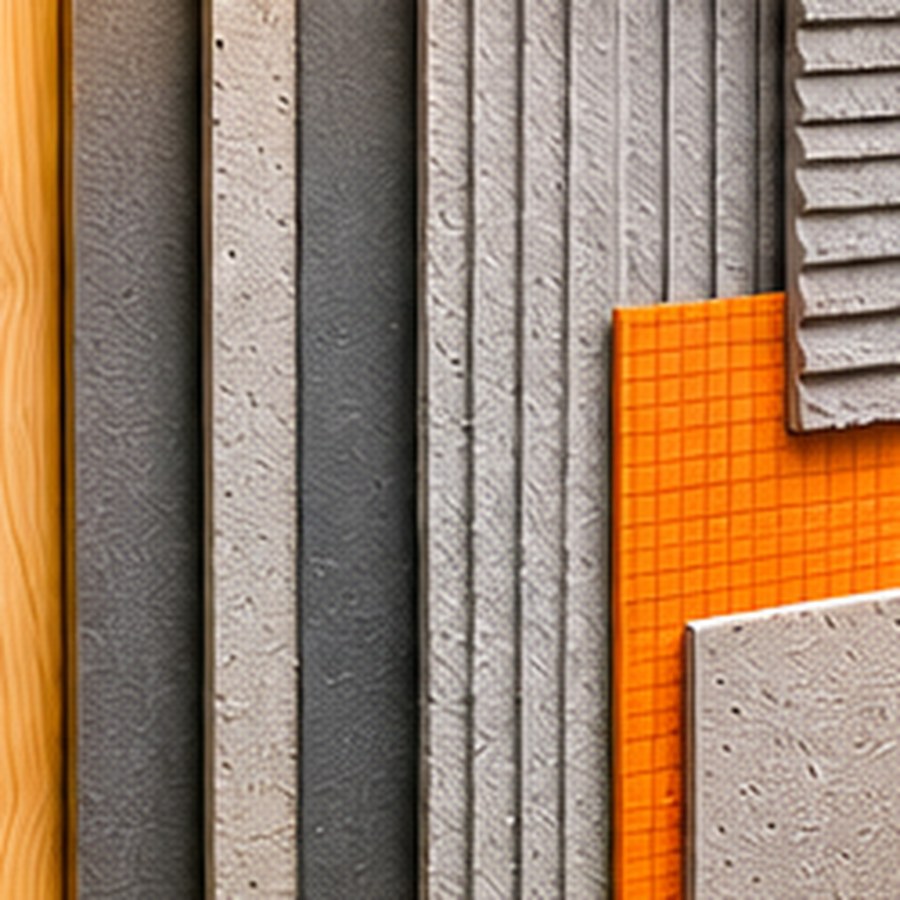
The tile is the wear surface. Something under it is the barrier
There are two legitimate ways to build the floor of a tiled shower, and they are not interchangeable. The traditional one is a pan liner — PVC or CPE sheet — laid over a sloped mortar bed, with a second bed on top of it and the tile bonded to that; water that gets past the grout travels inside the upper bed and leaves through the drain. The other is a bonded waterproof membrane, sheet or liquid, tested to ANSI A118.10, applied over a sloped bed with the tile set directly on the membrane; water never gets below the waterproofing at all. Both are correct. What is not correct is half of each: a bonding-flange drain under a pan liner, a clamping-ring drain under a bonded membrane, or a liquid membrane painted over a liner “for extra safety” that seals the weep holes shut. Which assembly is being built gets decided before the first bag is opened, because the drain, the slope and the thickness all follow from it.
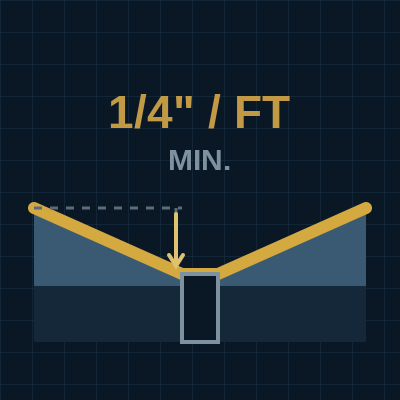
The pre-slope is the layer that gets left out
Under a pan liner, the bed the liner sits on has to already fall to the drain — not less than a quarter inch per foot, uniform, measured from the farthest point of the pan. A liner laid flat on a level slab does not leak. It simply holds a permanent pond at every low spot, inside the floor, for as long as the shower exists. That is where the smell comes from, and the dark grout, and the efflorescence that returns a month after somebody scrubs it off. In a square shower the long run is the diagonal and not the wall, so a quarter inch per foot measured on the diagonal leaves the walls steeper than that — better known before the mortar is screeded than after. A linear drain changes the geometry rather than the rule: the floor falls in one plane toward one line instead of four planes toward a point, which is what makes a curbless, barrier-free shower buildable without a dish in the middle of it.
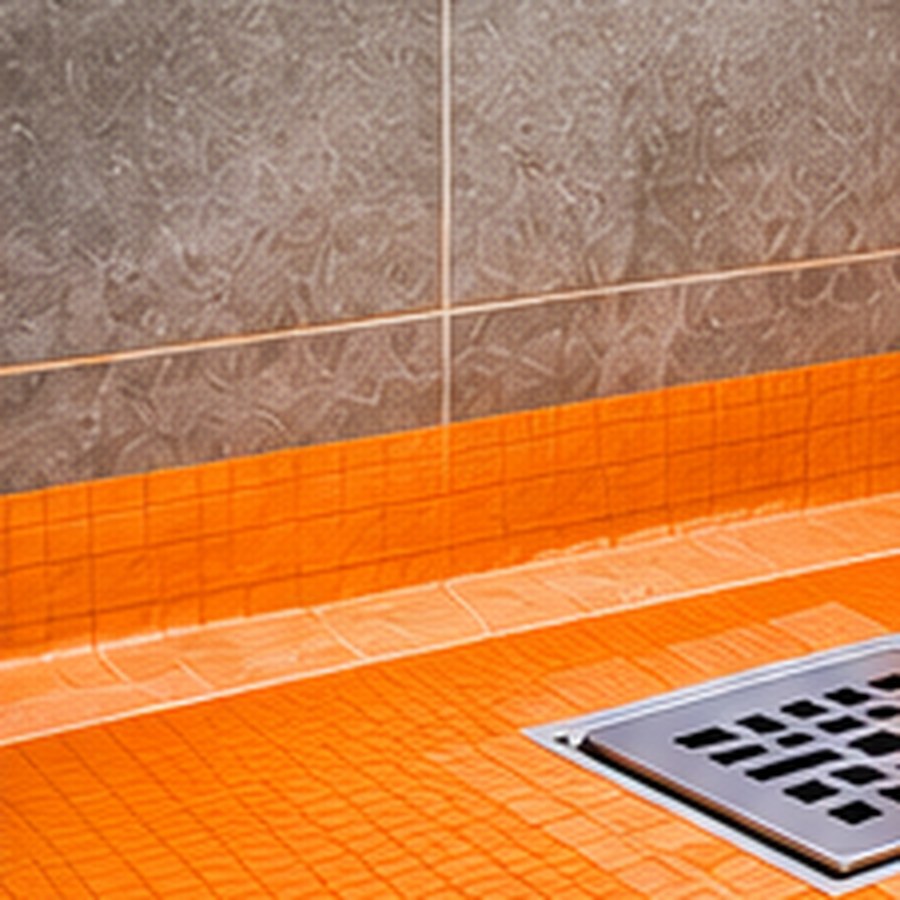
A clamping drain has weep holes, and they are not decorative
A clamping-ring drain is built in two levels on purpose. The grate drains the tile surface; the small holes at the base of the ring drain the mortar bed above the liner, which is where the water that got through the grout actually is. Pack those holes with mortar — which is what happens when the bed is screeded straight over them — and the bed stays saturated, the tile stays cold and damp, and the shower smells like a shower that leaks without leaking anywhere. They get protected with coarse aggregate or a purpose-made guard before the bed goes in. With a bonded membrane the drain is a different part entirely: a bonding-flange drain that the membrane is adhered to, and no weep holes, because there is no bed above the waterproofing that needs draining. Mixing the two is the most common assembly error in a bathroom remodel.
The leak is almost always at the curb or at a corner
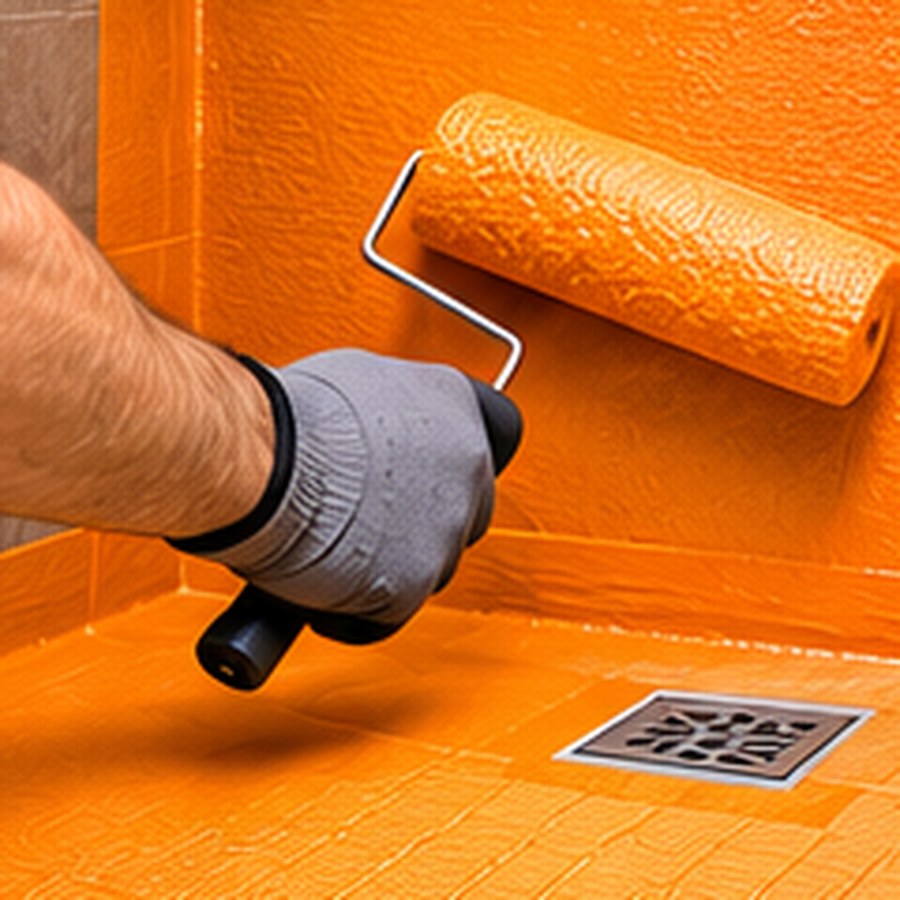
Sheet goods fail where two pieces meet or where the sheet turns a corner, never in the middle of a flat run — what is true of a containment barrier is true of a shower pan. Inside corners get folded, not cut and patched. Outside corners get a preformed dam corner rather than a field improvisation. The liner runs up the walls and over the curb in one continuous piece, and nothing is fastened through it below the top of the curb: a single roofing nail driven through a liner at curb height, to hold it while the mortar sets, is the classic leak that surfaces on the other side of the wall eighteen months later. Fasteners go above that line, through the part of the liner no water will ever reach. In a bonded system the same geography gets reinforcing band at every change of plane — the same idea in different materials.
The flood test is the only proof anybody gets
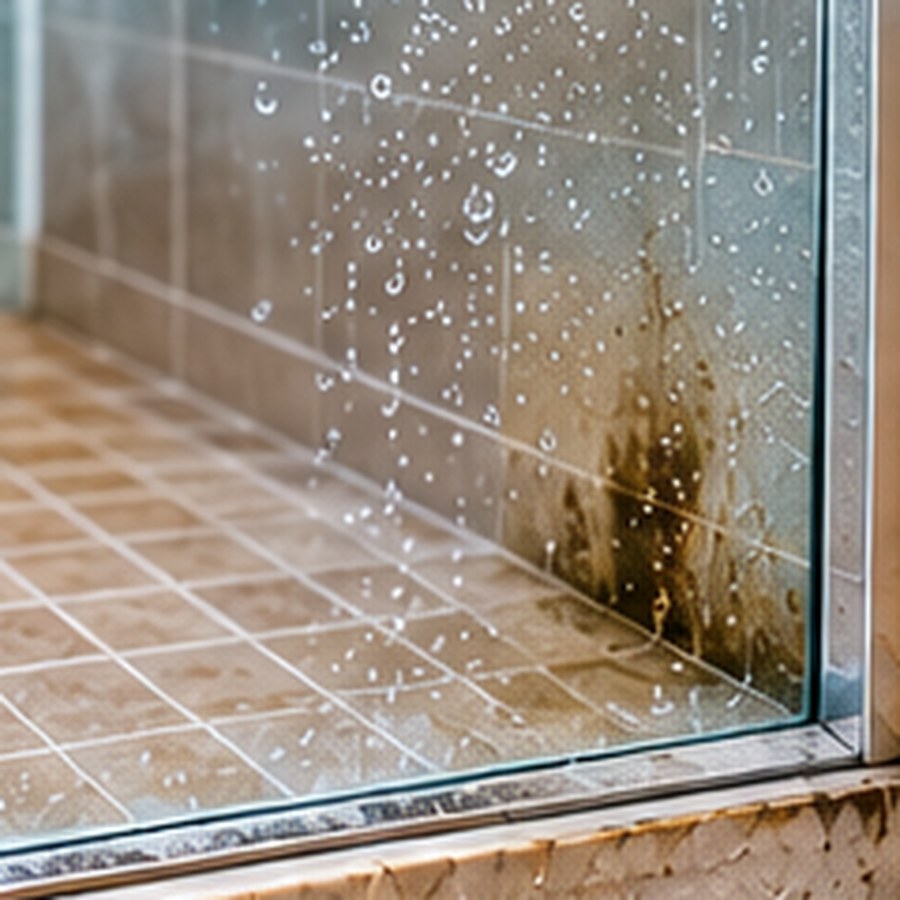
Plug the drain, fill the pan until the water sits just below the top of the curb, mark the level on the wall, and leave it. If the mark has moved, there is a leak, and it is a leak that costs an hour to find while the pan is still open. The same leak found after tile is a demolition. How long the water has to stand, whether an inspector witnesses it and what gets recorded depend on the adopted plumbing code, the local amendment and the membrane manufacturer, so that gets confirmed with the building department before the pan is filled, not after it is drained. We hold ours for twenty-four hours and photograph the mark at both ends of it. No tile goes down over a pan that has not been tested — not because anybody doubts the work, but because there is no second chance to look at that layer.
The walls, the bench and the niche are the same problem standing up
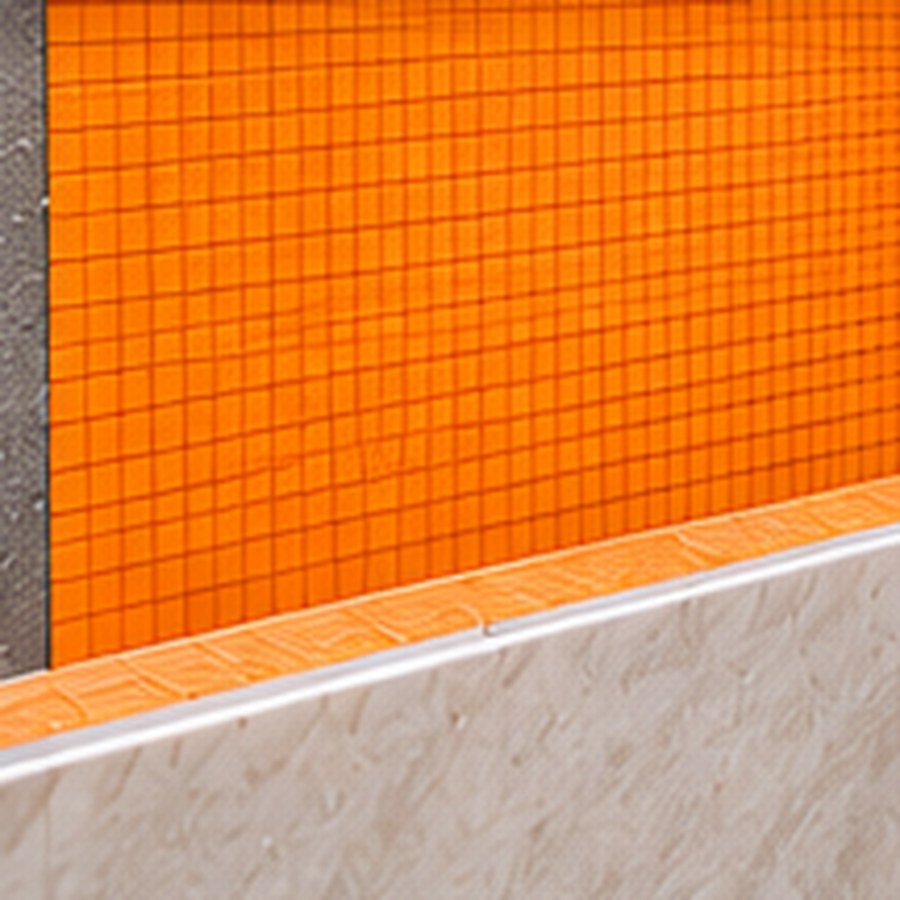
Cement backer board is water-durable, not waterproof: it does not rot when it gets wet, and it will pass water straight through to the framing behind it. Waterproofing the walls is a separate decision from choosing the board, and in a steam shower it is a different decision again. Everything horizontal inside the shower gets a fall and a membrane — the bench seat, the niche sill, the top of the curb — because a dead-flat bench holds a line of standing water along the back grout joint, and that joint is the first thing to go. Where tile meets a restraint the joint takes sealant and not grout, the same perimeter rule that keeps a tile floor from tenting. And ANSI A108.02 asks for 95 percent mortar coverage in wet areas instead of the 80 percent allowed on a dry interior floor, because a void behind a shower wall tile is a void that fills.
None of this is specialized knowledge, and that is the frustrating part of a shower that leaks: the failure is almost always a step that got skipped rather than a technique nobody knew. It is also why the sequence matters more than the brand of membrane. One note on scope, because it comes up: the drain body, the trap and the connection to the waste line are a licensed plumber’s work and we treat them as such — what belongs to us is the pan, the slope, the membrane, the test and the tile. If you are having a shower rebuilt by anybody at all, the question worth asking is not which membrane they use. It is whether they flood test before tile, and whether you get to see the photograph.
← INSIGHTSSTART HERE
One form, one business day.
Describe the scope and we answer within one business day. Drawings and photos by email; emergencies by phone, 24/7.
Related service
Residential Renovations & Property Improvements→