

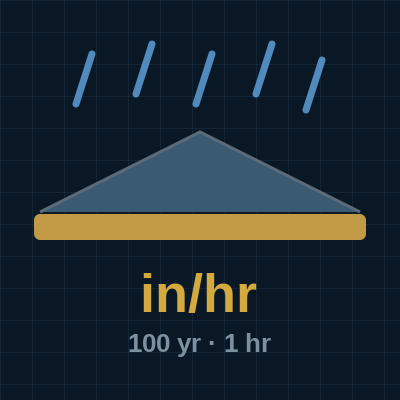
A gutter that overflows in a Central Florida afternoon is usually the right gutter for the wrong number. Nothing about sizing one starts at the house — it starts at the rainfall rate, and the Plumbing volume of the Florida Building Code is explicit about which rate: leaders, storm drains and storm sewers are sized from the 100-year, 1-hour rainfall rate shown in its Figure 1106.1, or from approved local weather data. That is an hour of rain that falls once a century, and it is the hour the gutter has to survive, because it is the hour that puts water behind the fascia. Everything below is published method — the conversion in Equation 11-1, the gutter flow ratings in Table 1106.6, the conductor ratings in Table 1106.3, and SMACNA’s own guidance on how much gutter one downspout can serve. The section numbering moves between volumes and editions, so it gets checked against what the county has actually adopted rather than quoted from memory.
The number that sizes a gutter is not the gutter’s
The first figure is the rainfall rate for the address, not the width of the trim. The code points at a single map — the 100-year, 1-hour rate — and everything downstream is arithmetic from it. Two houses with identical roofs in different parts of the state do not take the same gutter, because they do not take the same hour. A gutter chosen because it is what the supplier had on the truck, or because five inches is what the last one was, has not been sized at all; it has been guessed, and the guess holds until the afternoon it does not.
Inches per hour become gallons a minute, and there is an equation for it
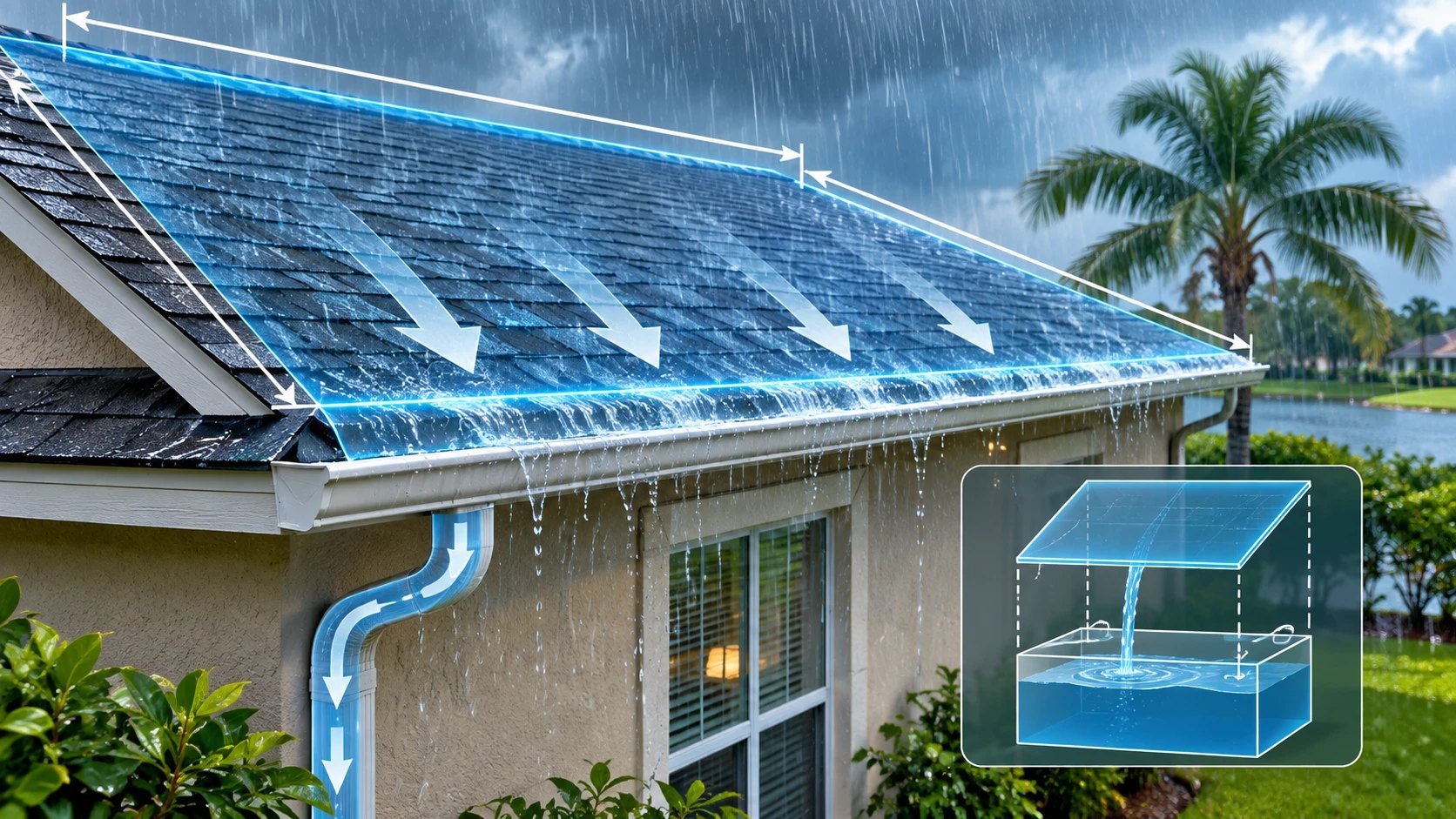
The Florida code carries the conversion so nobody has to improvise one: gallons per minute equals the rainfall rate in inches per hour, times the roof area in square feet, times 0.0104. That is Equation 11-1, and it is three numbers and a calculator. Put a 2,000-square-foot roof plane under a four-inch-an-hour rate and it is pushing about 83 gallons a minute at the gutter. The number matters because it is the one that gets compared against what the gutter and the downspout are rated to carry — and because it is almost always larger than people picture. Rain does not arrive as a volume; it arrives as a rate.
A gutter has a rated flow, and the slope is part of the rating
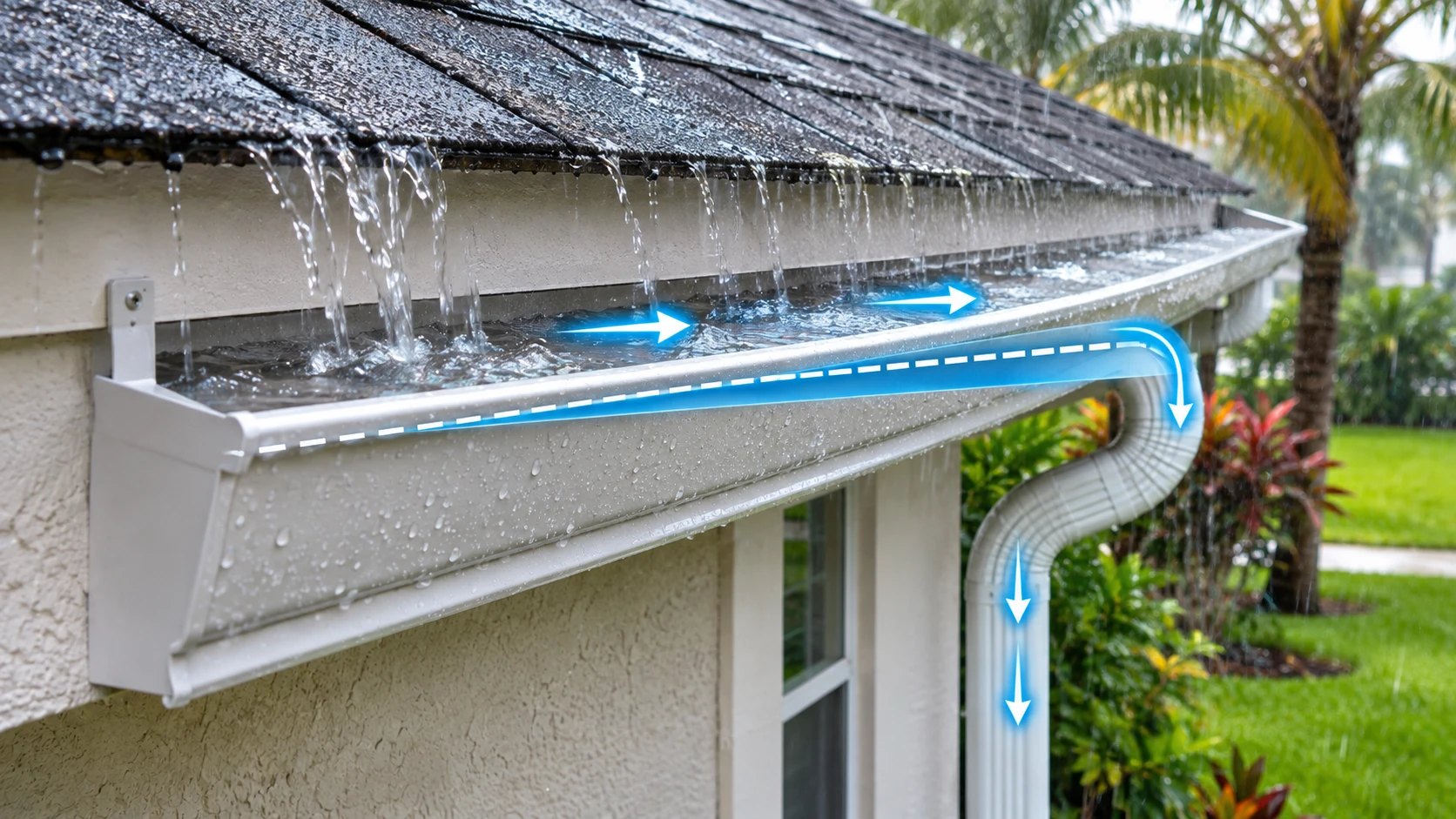
Table 1106.6 does not rate a gutter by its width alone. It rates it by diameter and by slope together, in gallons per minute, and the same gutter laid flatter carries less. In the IPC table the Florida code follows, a four-inch semicircular gutter at a slope of one eighth of an inch per foot is rated at 39 gallons a minute. Lay that gutter dead level to keep the fascia line looking straight and it is no longer the gutter in the table. This is the step where appearance and performance pull in opposite directions, and the fall is what gets sacrificed, because nobody can see it from the street until the water tells them.
The downspout usually decides, not the gutter
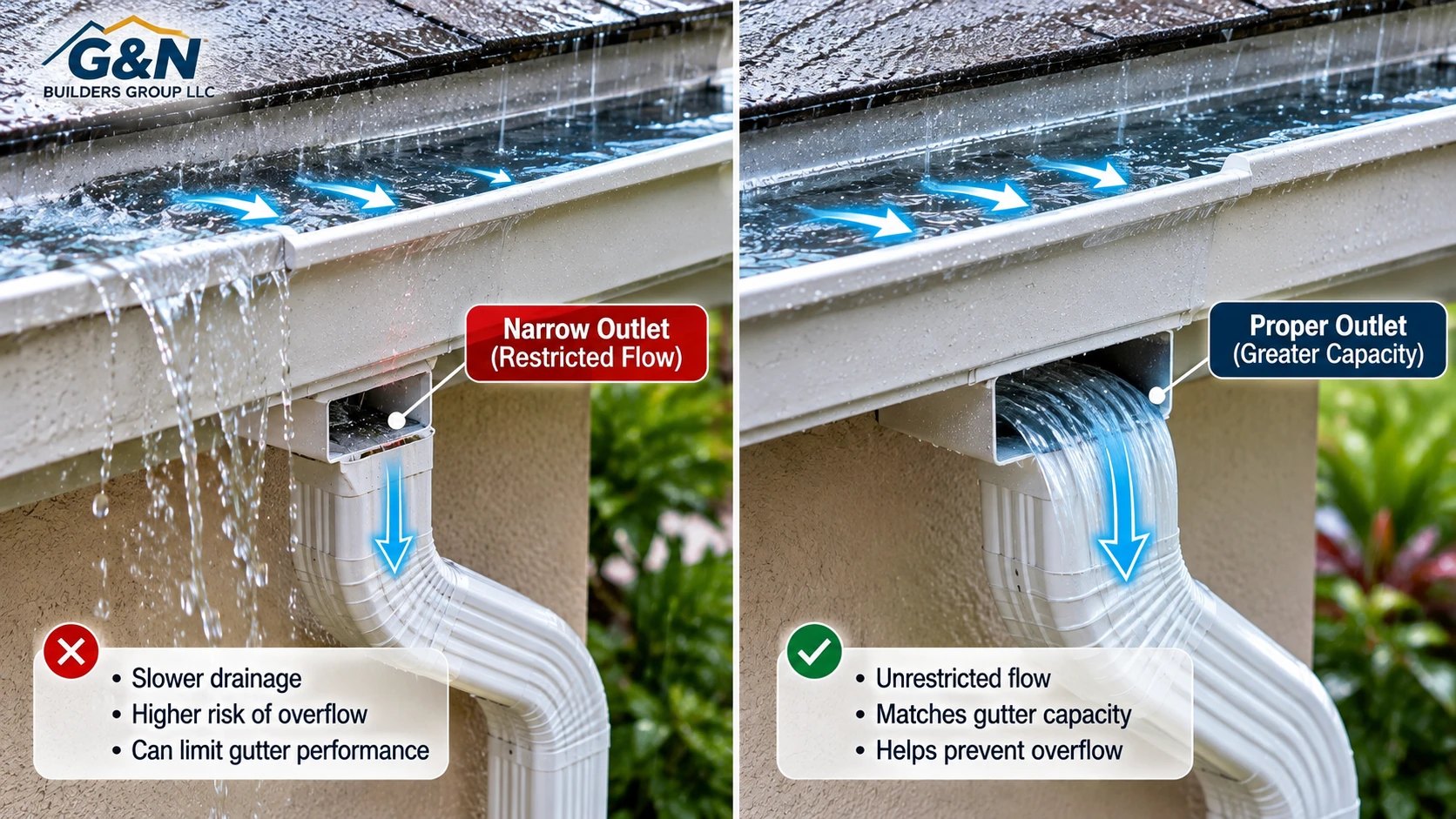
A gutter is a conveyor; the leader is the exit, and an exit that is too small backs the conveyor up no matter how generous it is. Vertical conductors have their own ratings in Table 1106.3, and the useful constraint is not only the leader’s size but how much gutter it is being asked to serve. SMACNA’s own sizing guidance treats fifty feet as a practical maximum length of gutter for one downspout, partly for flow and partly to limit what thermal movement does to a long unbroken run. A second downspout on a long elevation is not belt and braces. It is the number, and it is cheaper to add at installation than to retrofit through a finished soffit.
Where the leader discharges is part of the design, not an afterthought
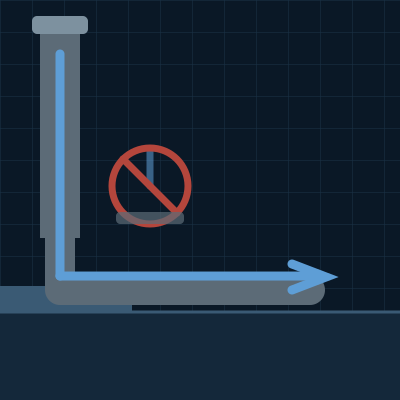
A downspout that ends in a splash block against the slab has moved the water four feet and called it drainage. In Florida that is how a dry wall becomes a damp one: the roof concentrates an entire plane into one stream and delivers it to the foundation at a rate the soil cannot take. Where storm water is allowed to go is narrow in the code and worth reading before the first bracket goes up — it is the same question a French drain answers, and the answer is a destination, not a trench. Decide the discharge point at the same time as the gutter size, because the two are one decision taken twice.
What makes a correctly sized gutter fail anyway
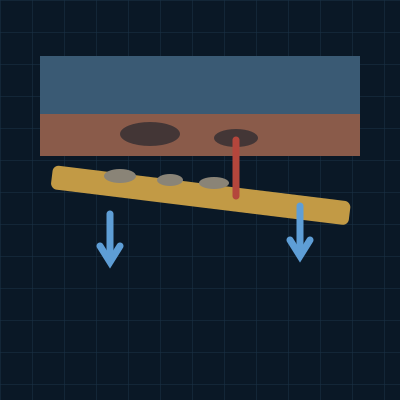
Fascia first: a gutter is only as straight as the board it hangs on, and hanging new aluminum on wood that is already soft buys a season. Hangers spaced to the manufacturer’s schedule rather than to where the old ones happened to be. End caps and mitres sealed, because a mitre is a seam and a seam is where sheet metal leaks. Expansion allowed for on a long run instead of being pinned at both ends. And the part that is not installation at all — a gutter full of pine needles is a gutter of a smaller size, so whatever was calculated stops being true the first autumn nobody cleans it.
None of this is hard and most of it is arithmetic, which is exactly why it gets skipped: the sizing step takes ten minutes and leaves nothing to look at. One note on scope, because it comes up: the gutters, the leaders, the fascia they hang on and where the water is routed on the surface are ours; a storm sewer connection and anything that needs a drainage design signed by an engineer are not, and we say so before the estimate rather than after. If you are having gutters replaced by anybody at all, the question worth asking is not what size they are putting up. It is how many downspouts, and where each one ends.
← INSIGHTSSTART HERE
One form, one business day.
Describe the scope and we answer within one business day. Drawings and photos by email; emergencies by phone, 24/7.
Related service
Exterior Improvements & Outdoor Living→