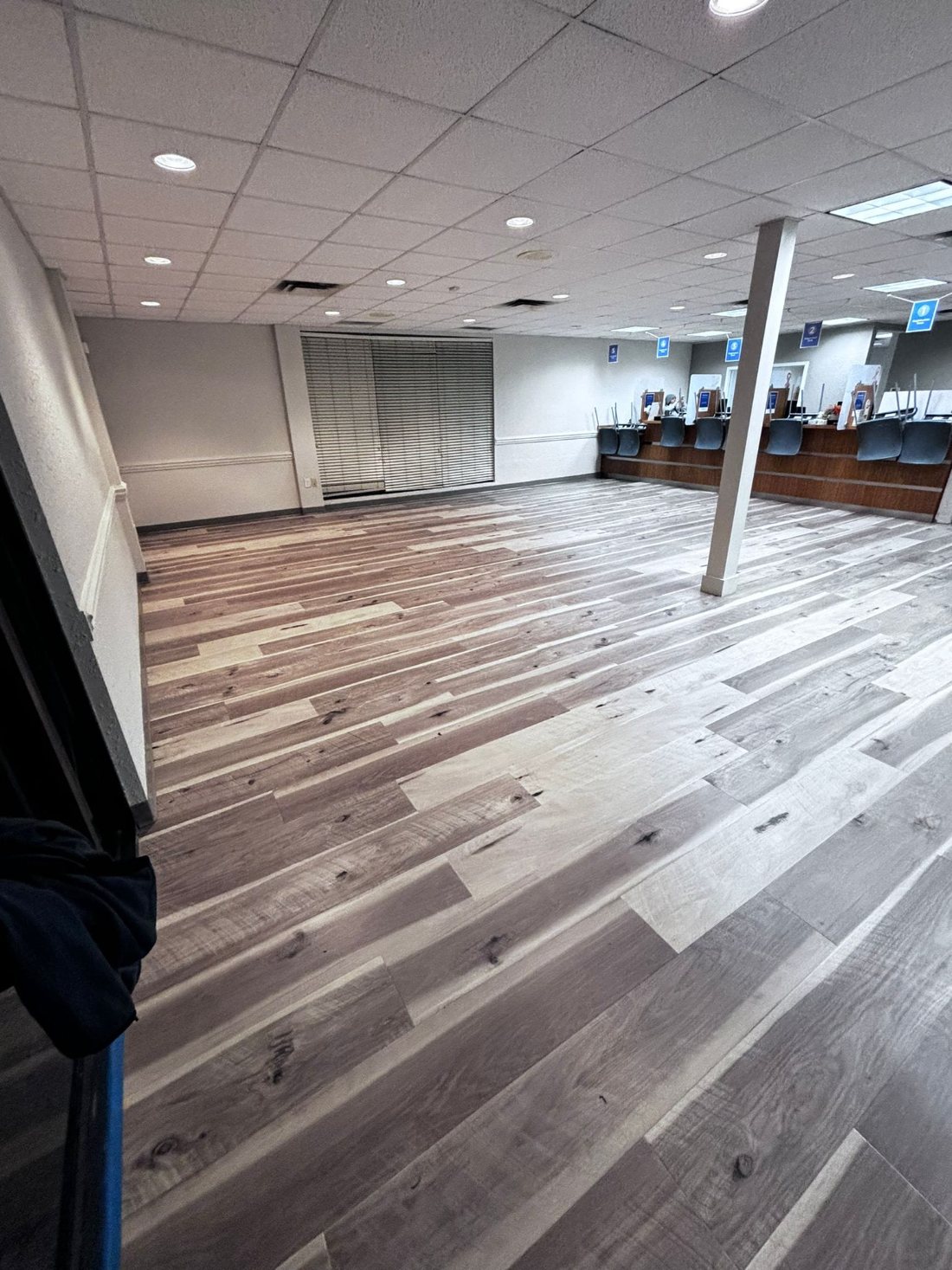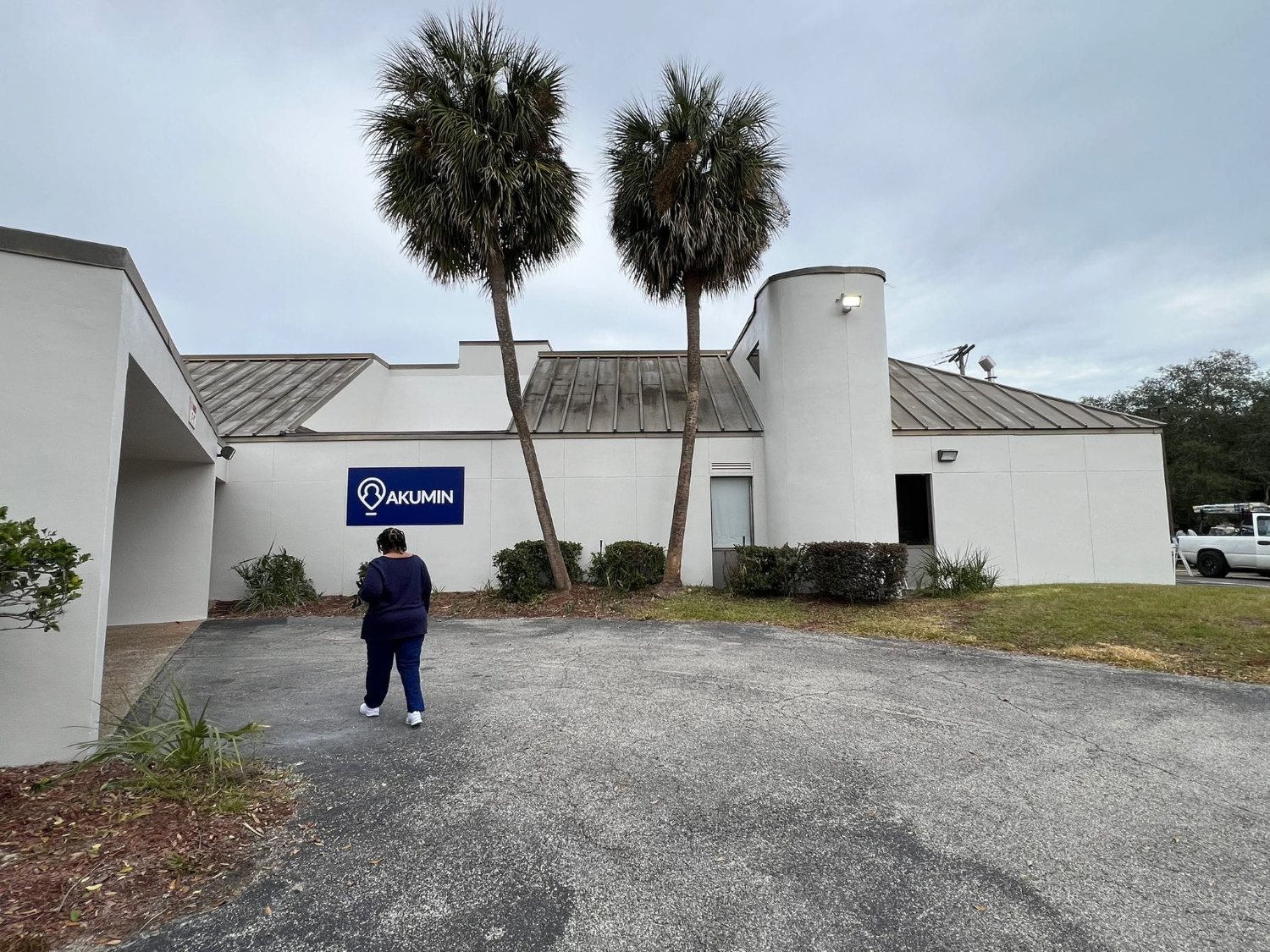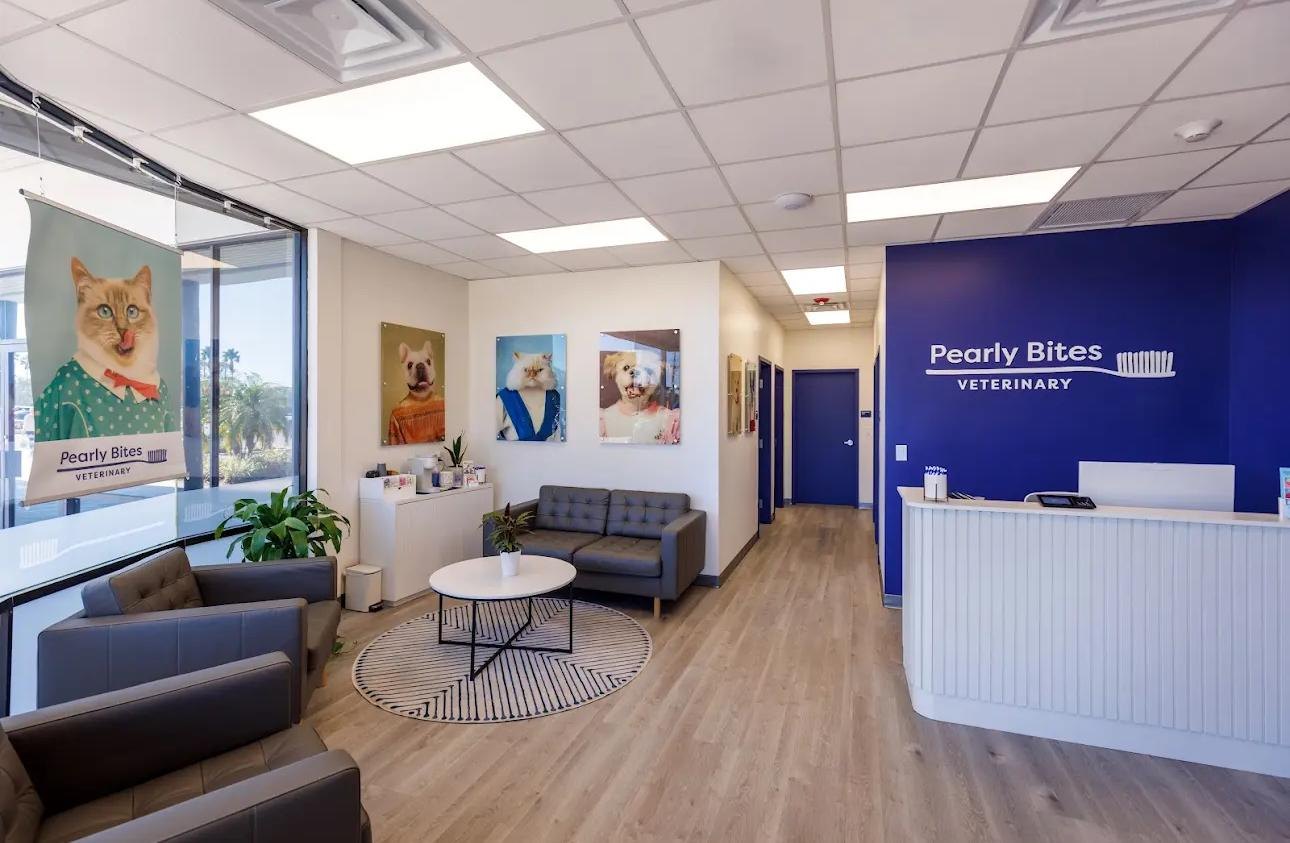
Most of this work happens in a building that never closes. A medical office seeing patients, a store trading, a clinic with an appointment book that was set three weeks ago. The construction has to fit around that, not the other way round.
That constraint decides everything else: how the area is sealed, when the loud work happens, which door the crew uses, and how the space gets handed back at the end of each shift so it can open in the morning.
- Tenant improvements and interior build-outs
- Medical and dental office fit-outs
- Renovation with the building occupied and operating
- Retail interiors, including phased night work
- Sealed containment, negative air and HEPA filtration
- Facility upgrades and reconfiguration
- Ground-up commercial construction
- Hospital work as a direct contractor — we are ASHE ICRA 2.0 Qualified and prepared for ICRA-compliant environments, and we say only that
- MEP engineering design (we coordinate it, we do not stamp it)
Before anything is opened
The area is walked with your operations lead, not just your facilities manager. We agree the working hours, the crew route, which rooms stay live and what counts as an emergency stop.
Containment first
Sealed barrier floor to deck, negative air with HEPA filtration, tacky mats at the transition, and protection over floors, egress routes and your equipment. The barrier goes up before the first cut, not after the first complaint.
Phase by phase
One zone at a time, cleaned and handed back before the next one opens. On an occupied job the measure of a good day is that nothing stopped.
Closeout that closes
Punch walked with you, air and surfaces cleaned, containment struck last. Each phase has a document that closes it.
Access hours
A job that can only run 6pm to 6am takes longer in days and less in disruption. Both are legitimate; they just have to be chosen on purpose and priced against the real scope.
Permitting
On an interior scope this is usually the longest pole, and it starts before mobilisation. It is the reason we ask for drawings early.
Long-lead items
Doors, frames, hardware and specialty finishes decide more schedules than labour does.
What is behind the wall
An occupied building is a building nobody has opened in years. We allow for it; we cannot know it in advance.
- Drawings, even at sketch level — a phone photo of a marked-up plan is enough to start
- Your operating hours, and the hours the work may not run
- Who on your side can stop the work, and how we reach them
- Any date that cannot move: an inspection, a lease, an opening
Can you work inside a building that stays open?
Yes. It is how we run our commercial work. We install sealed containment floor to deck, run negative air with HEPA filtration, control dust, protect floors, egress and client equipment, and phase the work around your operating hours, including nights and weekends. Our Project Director is ASHE ICRA 2.0 Qualified.
What happens between the estimate and the handover?
Five phases: preconstruction, mobilization, execution, quality control, closeout. Each phase has a defined start, a defined close and a document that closes it. The same five phases on a small repair and on a full commercial build-out.
What if something fails after you finish?
Our work carries a one-year limited workmanship warranty: if something we installed fails because of the way we installed it, we come back and fix it. Materials keep their manufacturers’ own warranties, which are usually longer. It has exclusions, and they are the usual ones — misuse, accidents, storms, settlement, missed maintenance, and work done by someone else after we hand over. On commercial and occupied-facility scopes the warranty is the one written into the contract.